
The whales don't pass through. They stay to feed.
Chañaral de Aceituno · Humboldt Penguin National Reserve · Atacama Region, Chile
3 DEPARTURES A DAY · 09:30 · 12:00 · 14:30 · 2 HOURS
Already got a date? book on WhatsApp
 02 · caleta-ticket
THE TICKET · THE COVE
The trip starts on land.
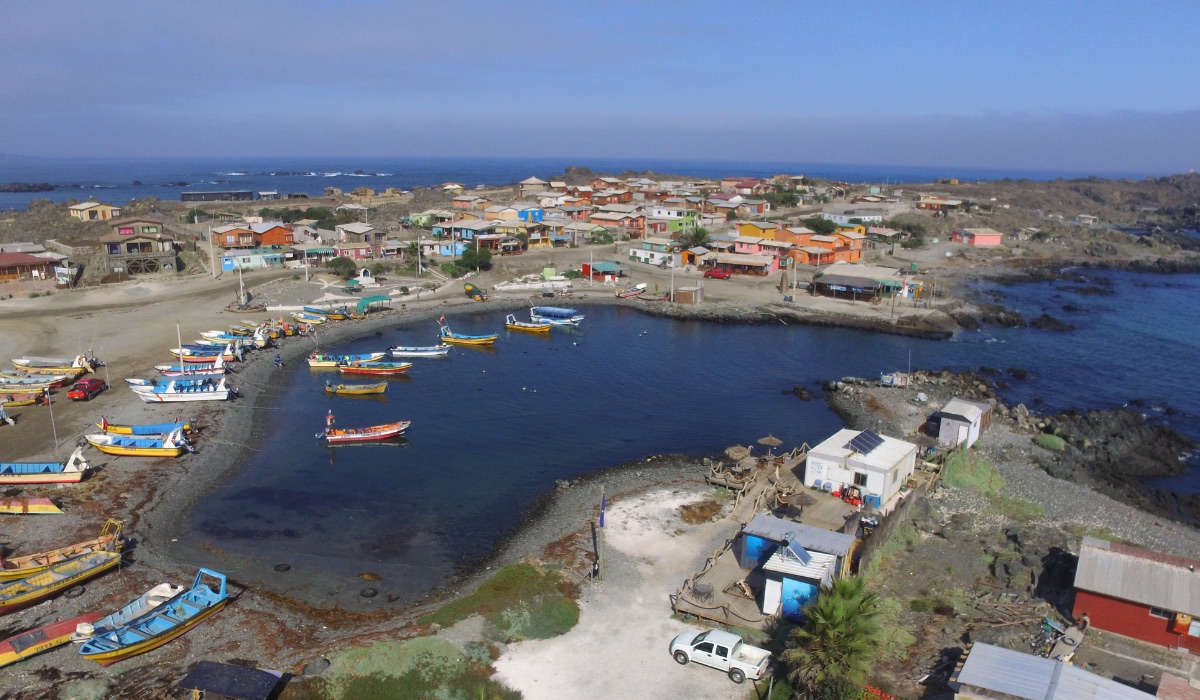
Before you get on the boat there's a walk along the shoreline: the moored boats, the smell of cold sea, the desert hills dropping into the water. You buy the ticket right there, looking at the same sea you'll be out on in a while.
It's two hours. We sail three times a day, and your place is confirmed the same day, depending on how the sea is running.
- 1st departure09:30 – 11:30
- 2nd departure12:00 – 14:00
- 3rd departure14:30 – 16:30
- Where to buy[PENDING]
2 HOURS · CHECK AVAILABILITY ON WHATSAPP
We'll hold your place: book on WhatsApp
 03 · lancha-zarpa
ON BOARD
We leave with everything ready.
- 01A life jacket for every person, on before we cast off.
- 02Travel insurance included in the ticket.
- 03A guide on board who knows what fin you're looking at.
- 04Transfer to and from the harbour, and water.
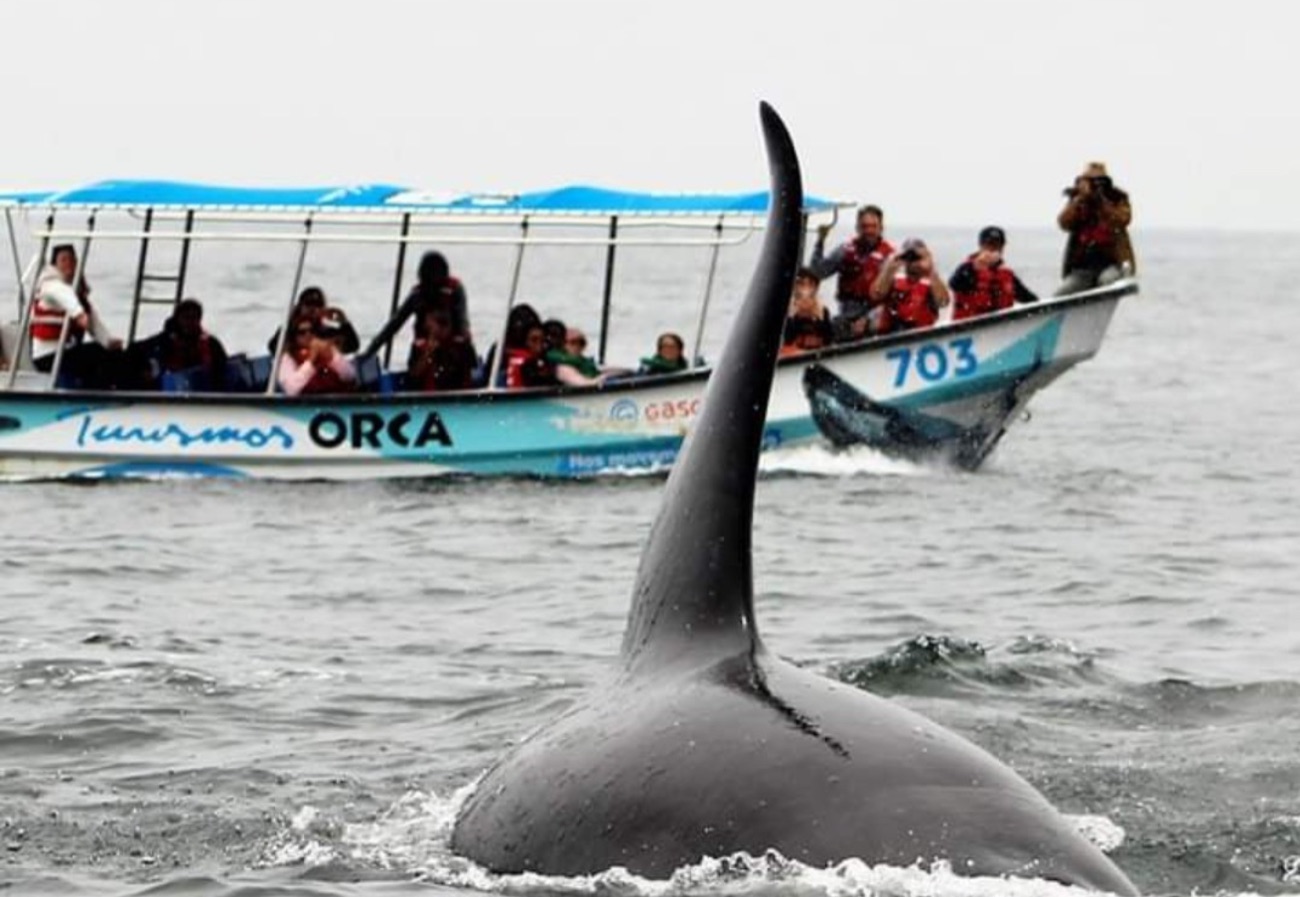
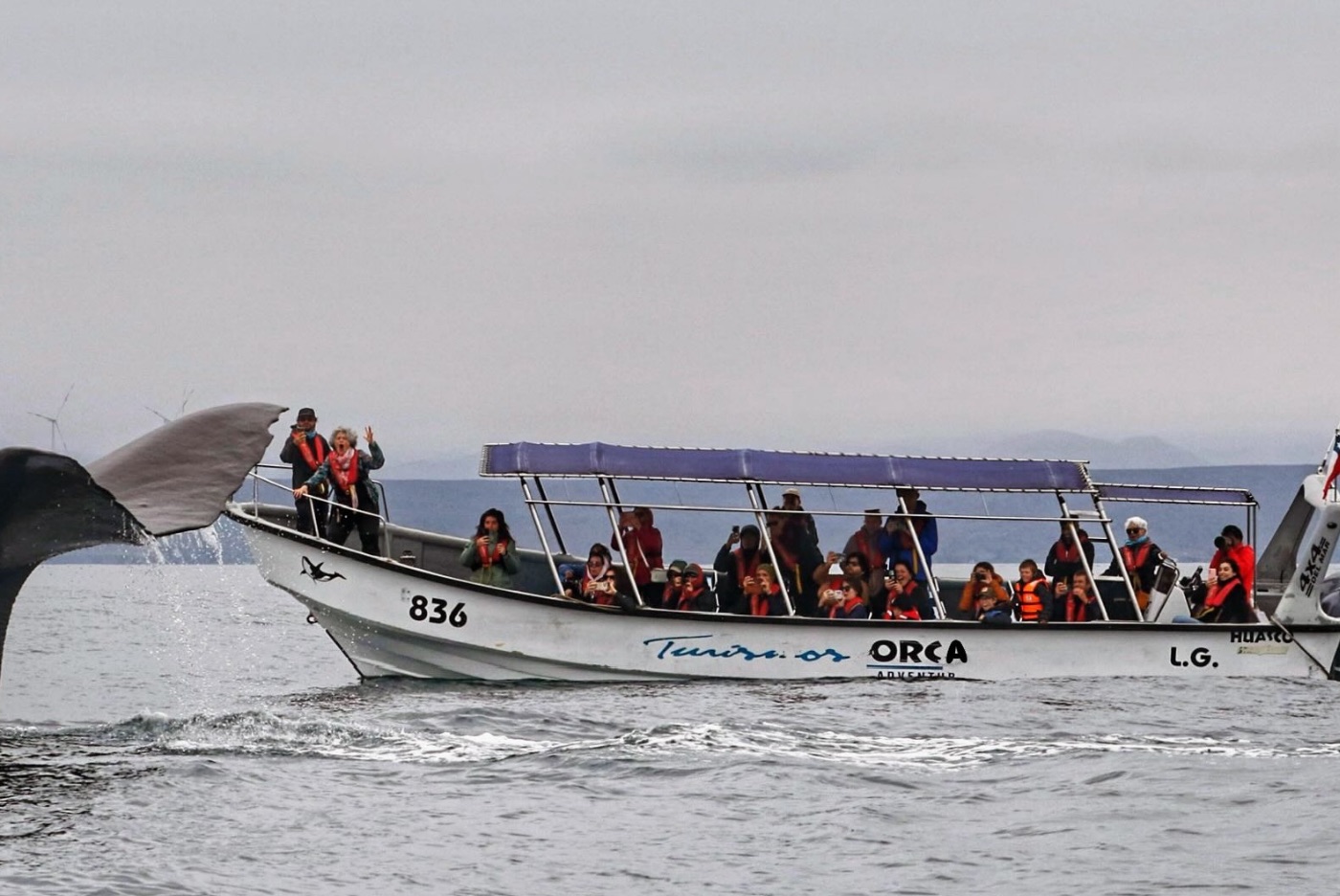
The boat is open and it goes out full: that's what makes everyone look the same way when somebody shouts. The guide keeps telling you what turns up —which species, why it's here, how you recognise it— and not as a loose fact: it's the same two hours.
The sea decides. If the day is bad, we tell you before you leave the house.
 04 · guia-timon
UNDER THE WATER
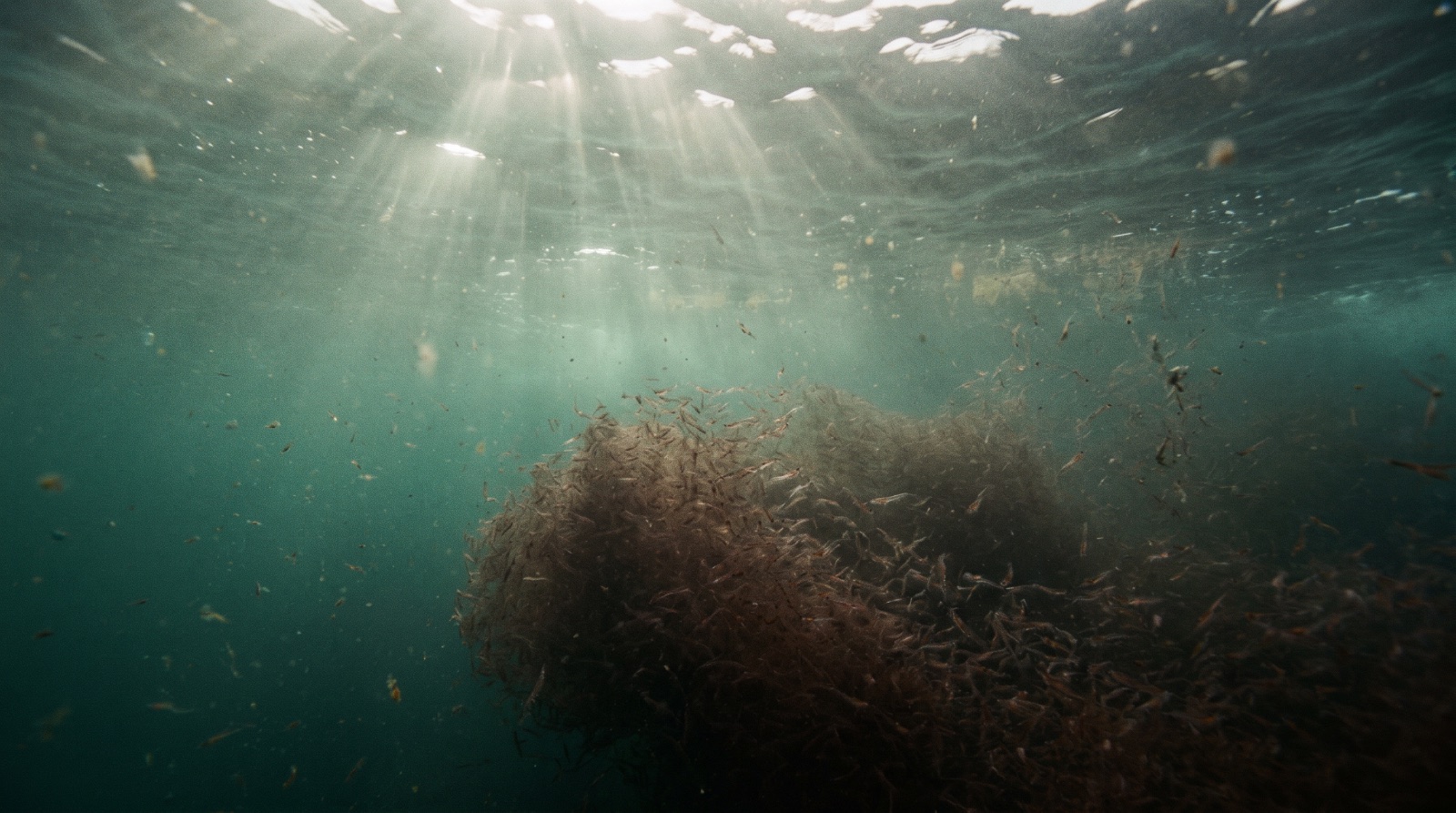
Here the cold water rises, and the food rises with it.
- The Humboldt Current travels cold along the bottom.
- It hits the shelf around the islands and rises.
- And the oxygen and the krill rise with it.
 14 · dron-manada
- −5 M · the surface
- −60 M · the bottom, where the current is born
- −5 M · and the krill rises with you
That's all there is to it. There's no other explanation and none is needed: an archipelago of eight islands with the shelf at exactly the right depth, and water pushing up what was below. Everything else —the whales, the dolphins, the seven thousand penguin nests— comes after the food.
“It's common to see the patches they form, and the whales feeding on them.”
MARITZA SEPÚLVEDA · MARINE BIOLOGIST · UNIVERSIDAD DE VALPARAÍSO
TRANSLATED FROM SPANISH

 08 · encuentro-lancha
THE ENCOUNTER
The whales don't pass through.
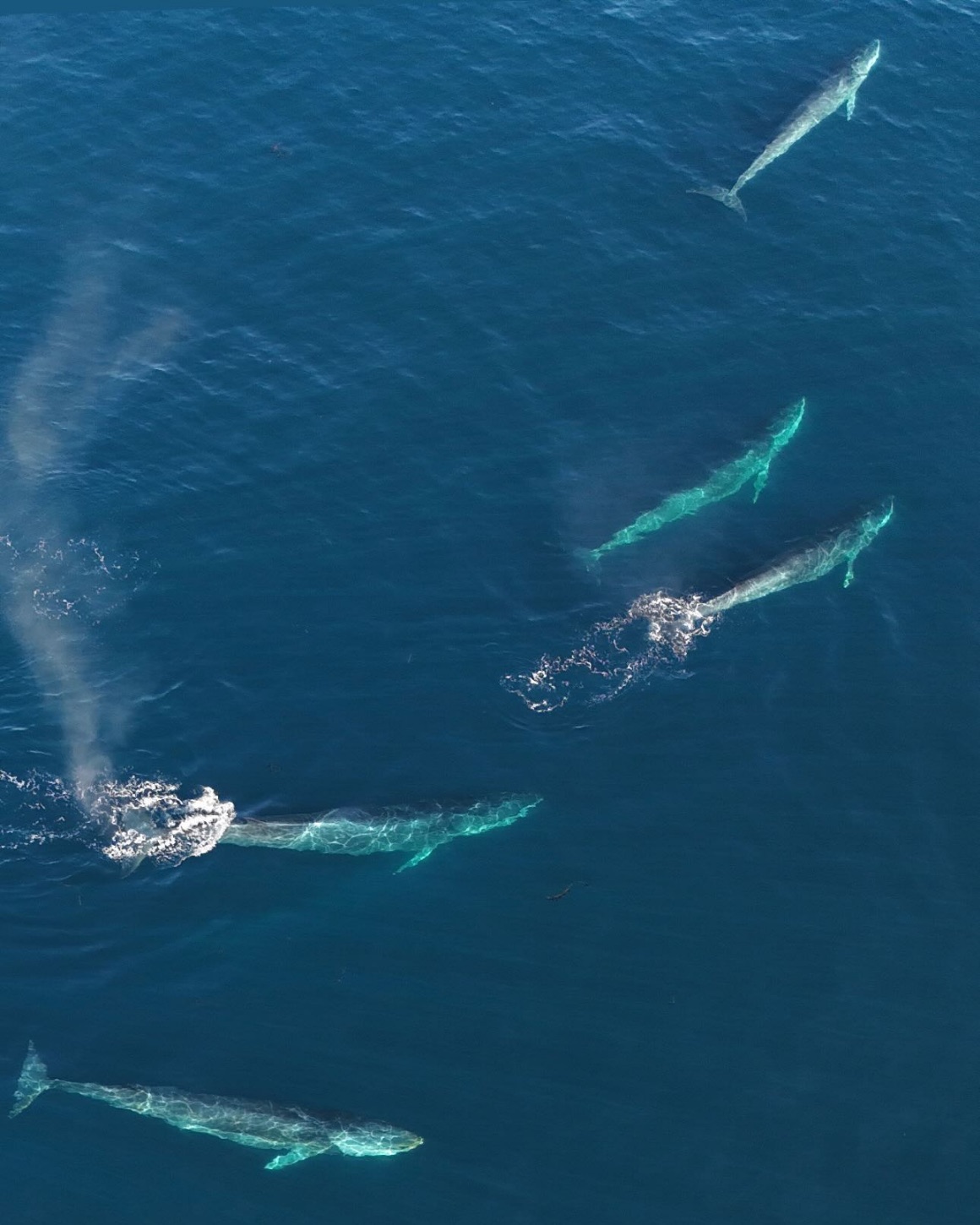
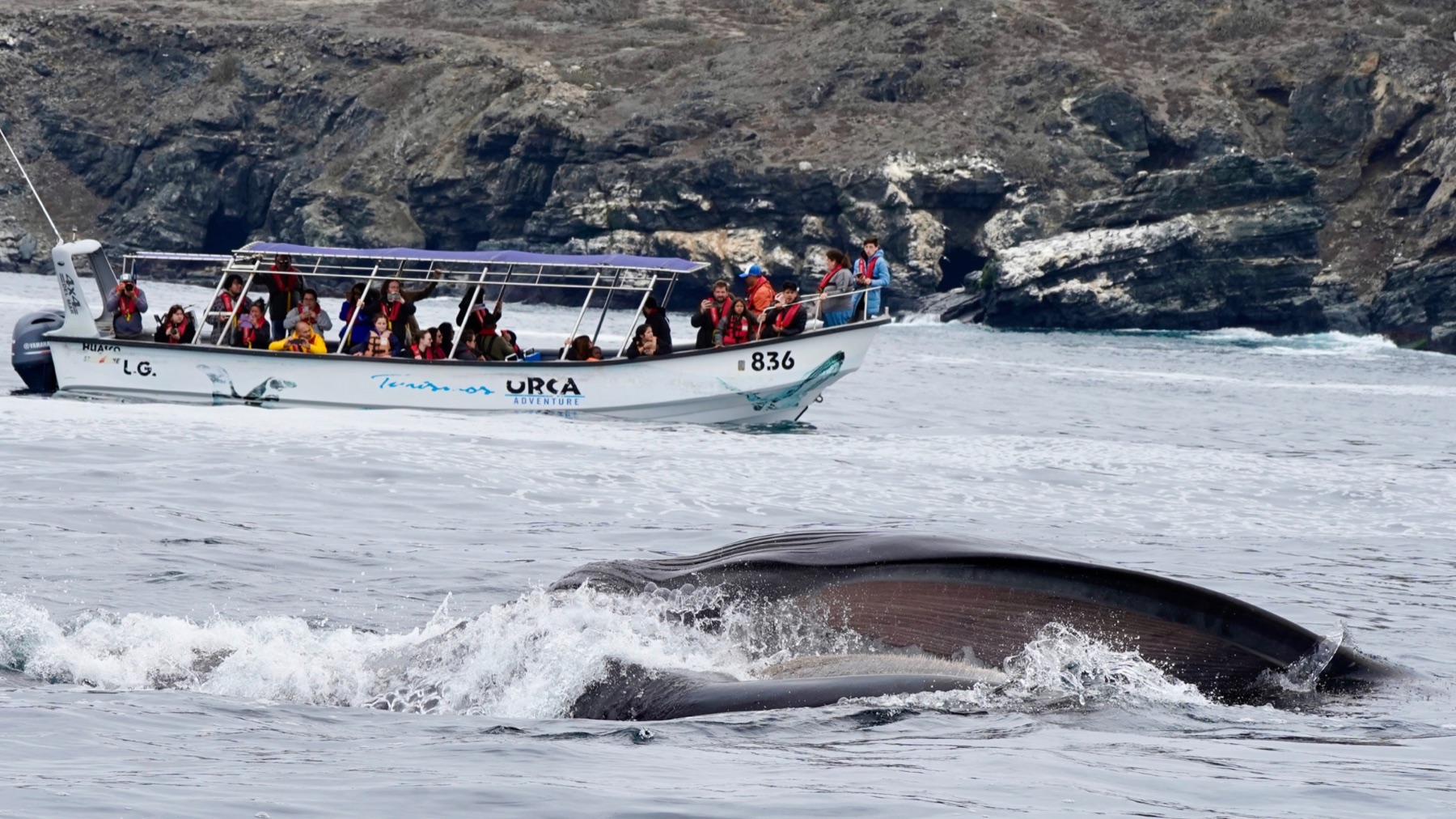
Chañaral de Aceituno is a key feeding ground for three species. It isn't a corridor they travel along: it's where they eat.
OF 6 TAGGED WHALES, 5 STAYED · UNIVERSIDAD DE VALPARAÍSO
-
Fin whale
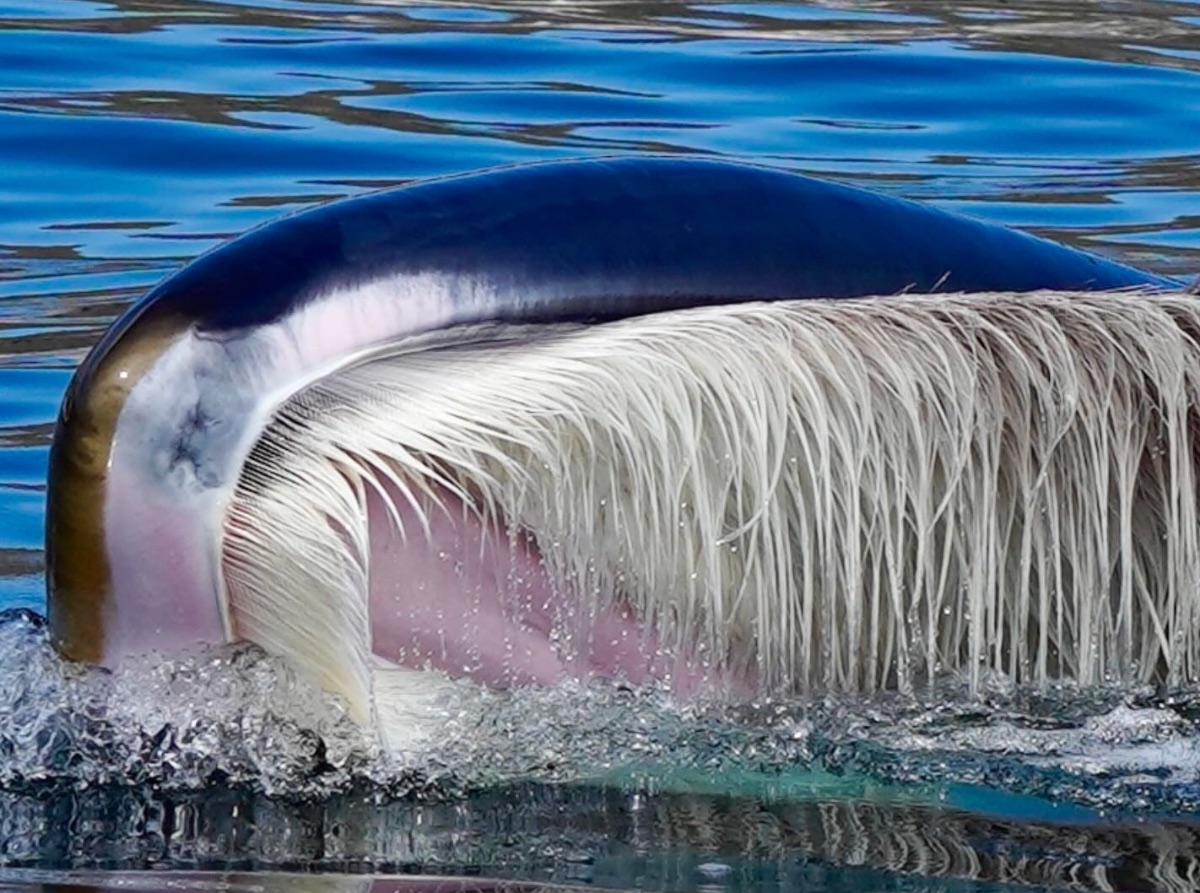
The second largest animal on the planet. A long dark grey body and a small dorsal fin set far back: that's why you see it a good while after the blow.
100 M AWAY
-
Humpback whale
You can't mistake it: the very long white pectoral fins, out of the water.
100 M AWAY
-
Blue whale
The largest animal that has ever lived. It arrives at the peak of summer, between mid-January and mid-February.
300 M AWAY
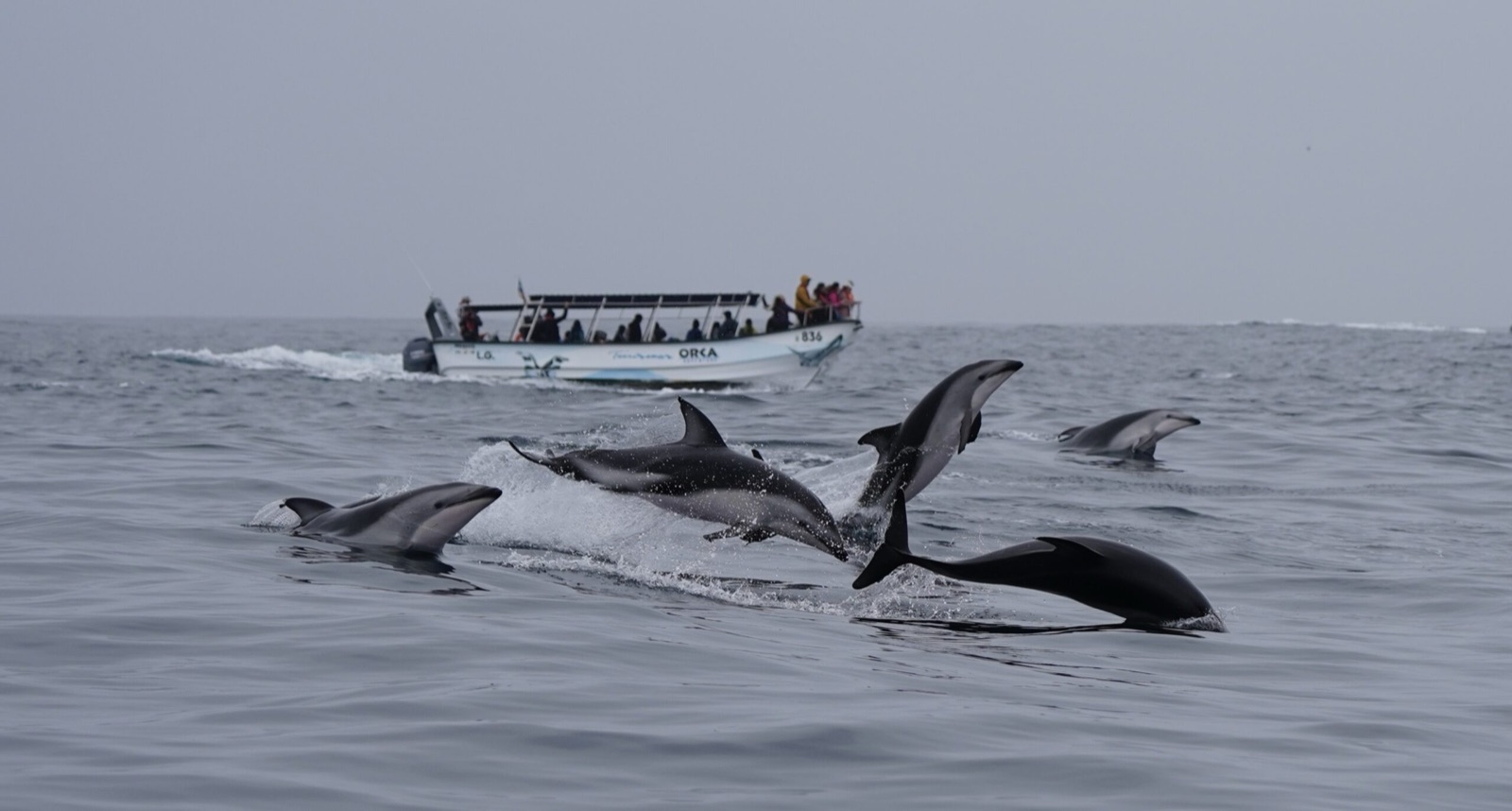
We get as close as they let us and not a metre closer. A hundred metres to the humpback and the fin; three hundred to the blue; fifty to the dolphins. If the animal changes its behaviour, we leave.
LEY 20.293 AND THE CHILEAN WHALE-WATCHING REGULATIONS · CONAF AND SERNAPESCA
How we find them
- 01We go to the places where they have gathered for years. It isn't a random route: they are the same stretches of the archipelago, season after season.
- 02We keep an open marine band radio with the other tour boats in the cove. If one of them sees a blow, we all know.
- 03Sometimes the word comes from the shore: someone spots them from land and we head straight for them, to look closely at what tells each species apart.
Every sighting leaves a photographic record, a position and a note on how the animal behaved. That's how we know which ones come back.
 17 · fin-lance
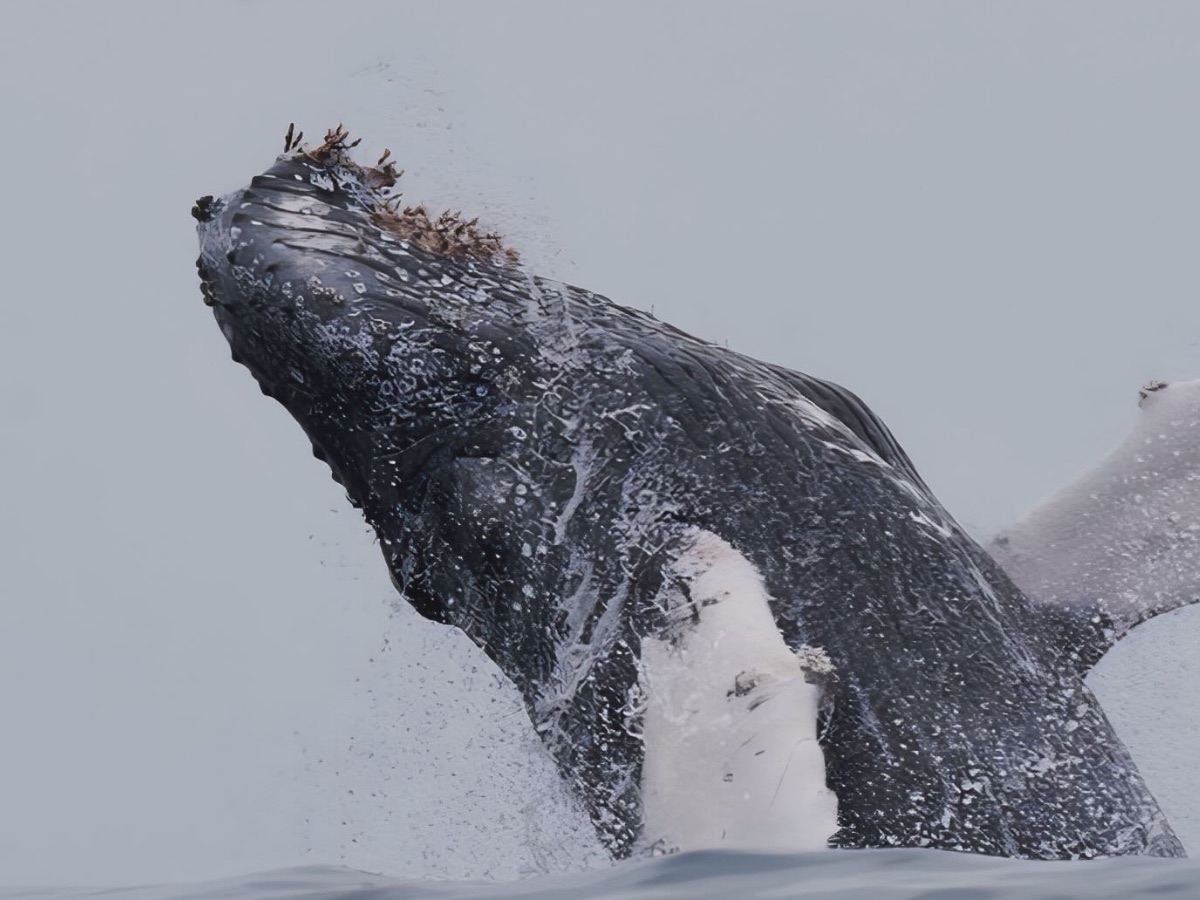 18 · jorobada-salto
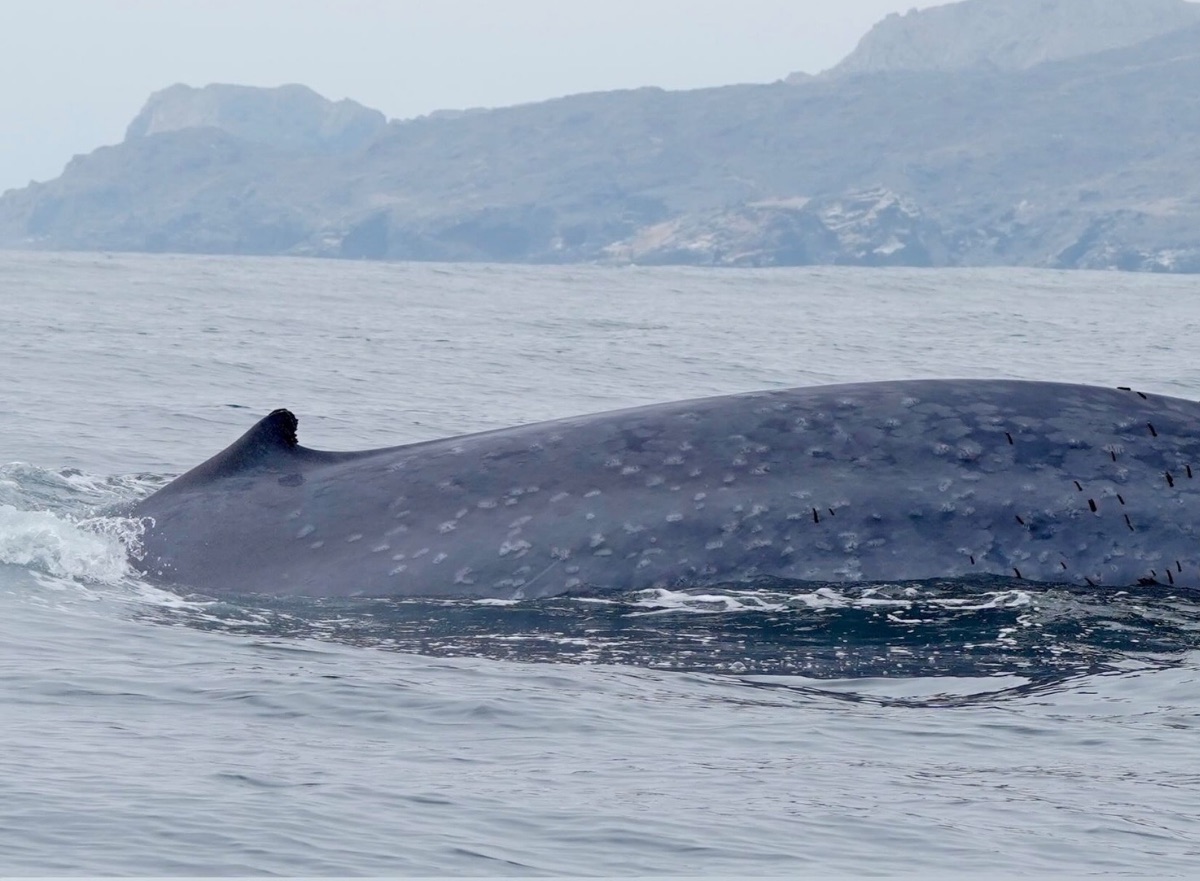 19 · azul-lomo
 09 · delfines
ALL YEAR ROUND
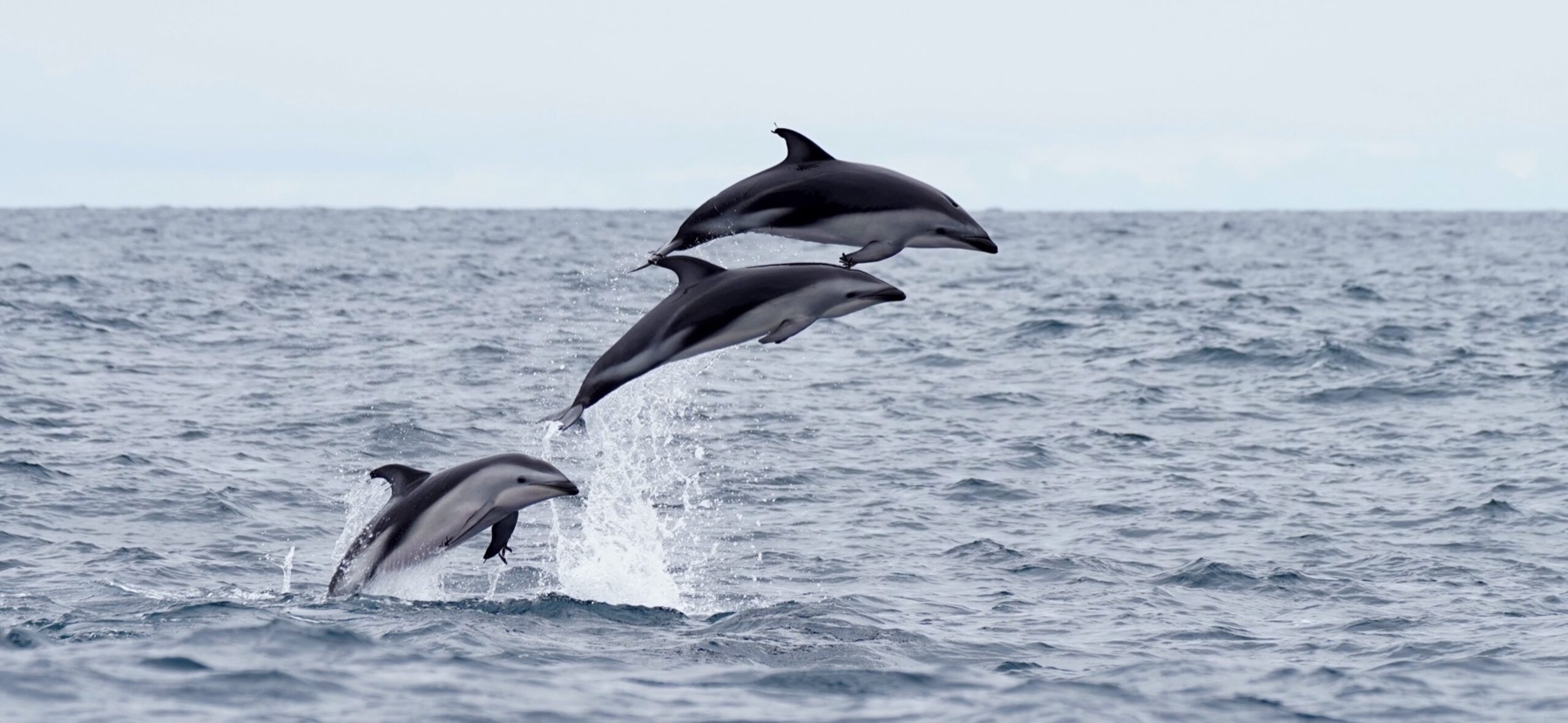
The dolphins have been here longer than we have.
1987
- They were first reported off the island in 1987.
- They are residents: they don't migrate, they live here.
- They are the only resident population of this species described by science in Chile.
50–55 ANIMALS · BETWEEN ISLA CHAÑARAL AND ISLA CHOROS
We know them. A group of fifty-odd bottlenose dolphins that never leaves, and that comes out to the bow when it feels like coming out. It's the part of the trip that doesn't depend on the season.
And they're not alone.
 10 · pinguino
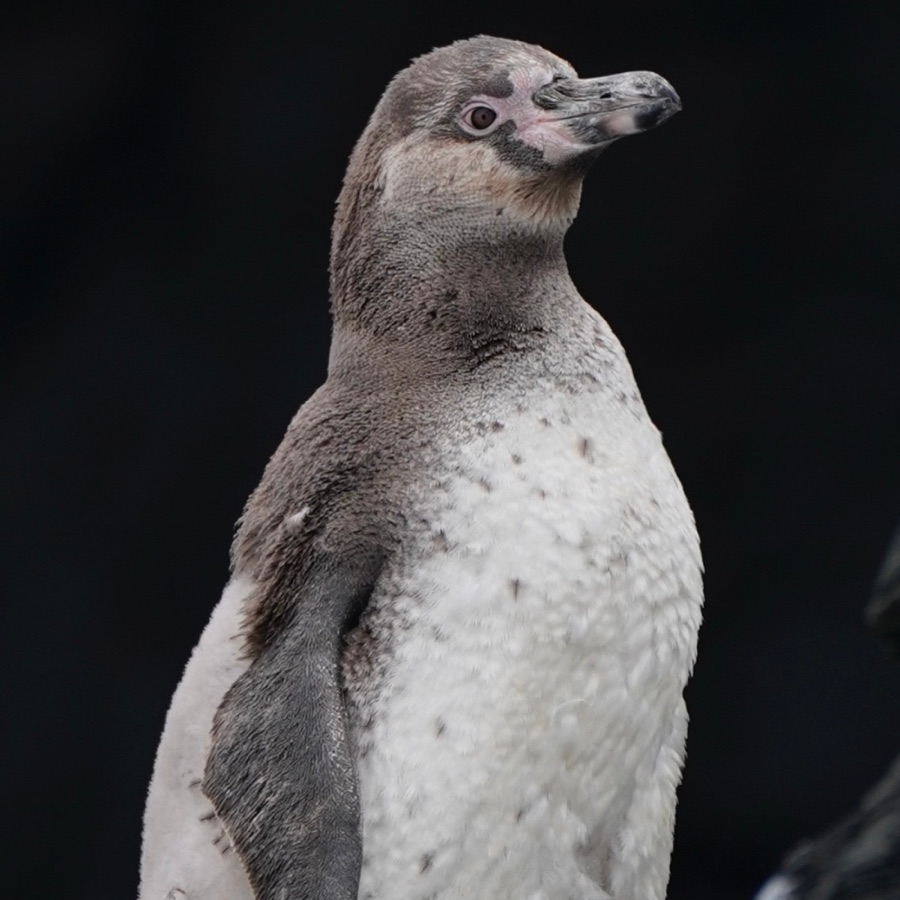
Humboldt penguin
The black band across the chest is the giveaway. The colony on Isla Chañaral is the largest in the reserve.
≈7,000 PAIRS ON ISLA CHAÑARAL
 13 · lobos-marinos
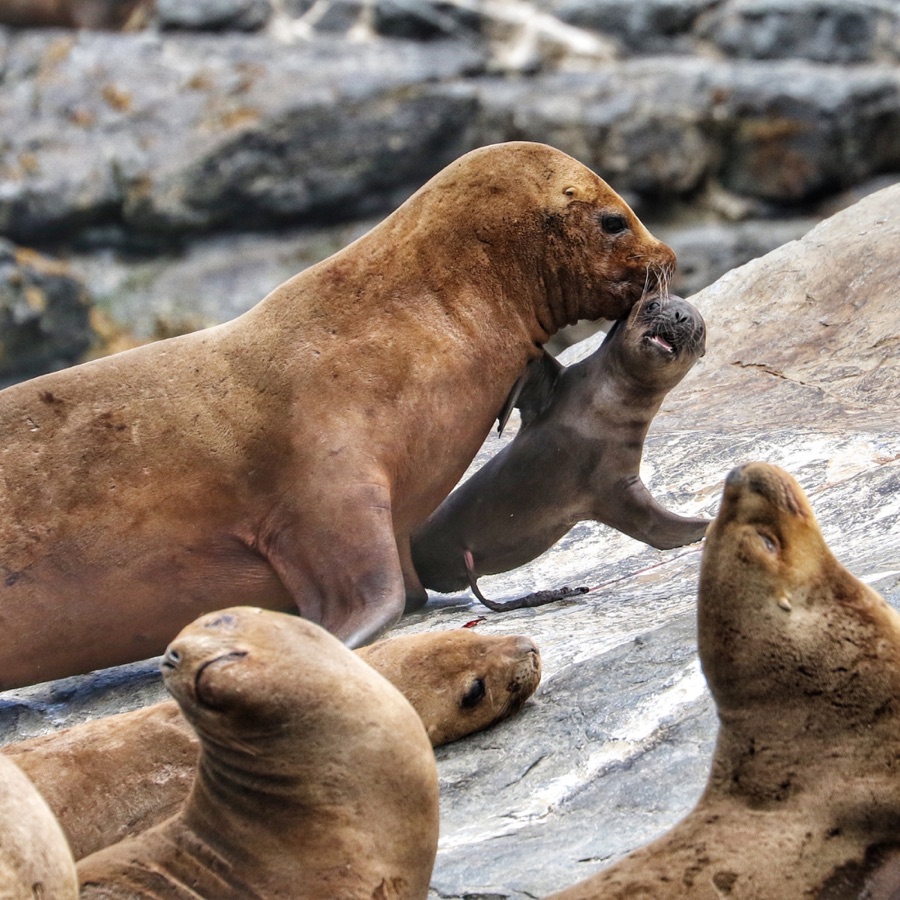
South American sea lion
You hear the colony before you see it.
ALL YEAR ROUND
 15 · chungungo
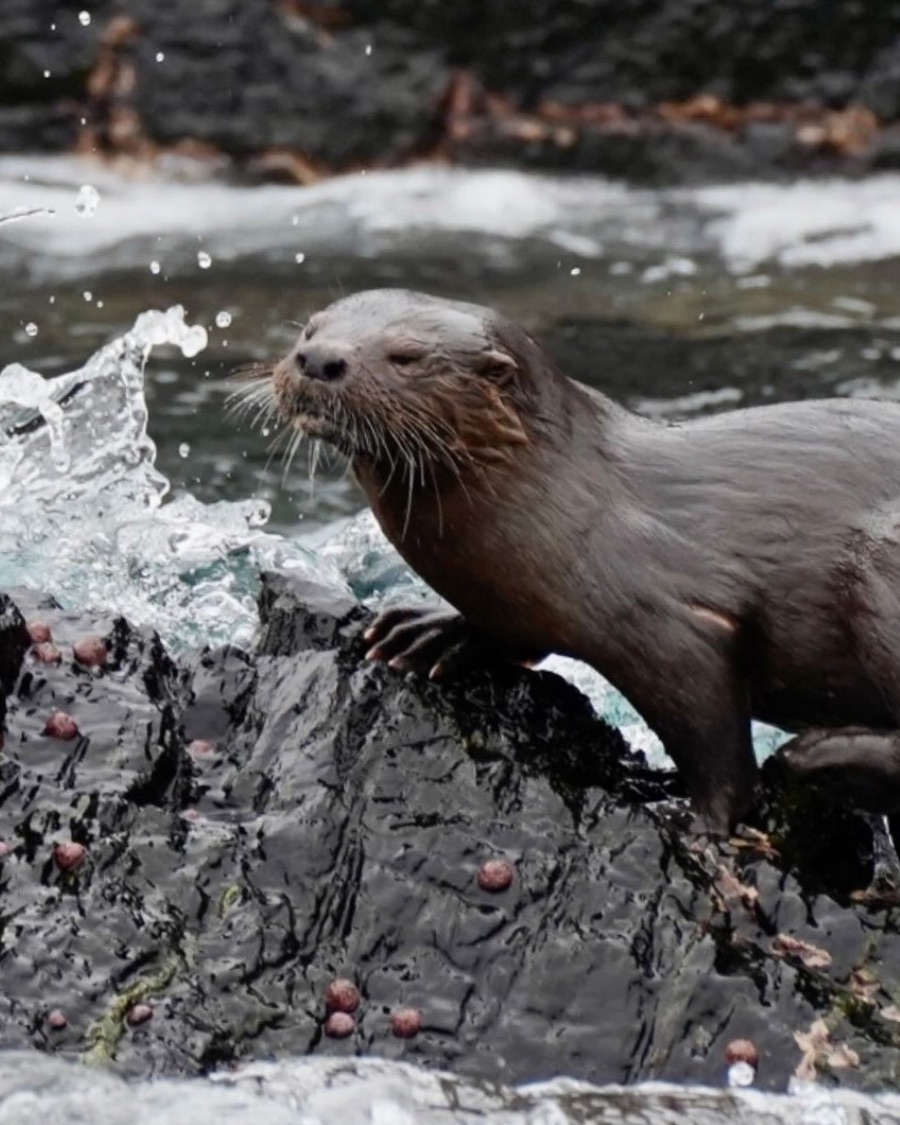
Marine otter (chungungo)
The smallest otter in the world. It lives in the rocks along the shore and you need a good eye to spot it.
MARINE OTTER · 50 M AWAY
 21 · albatros
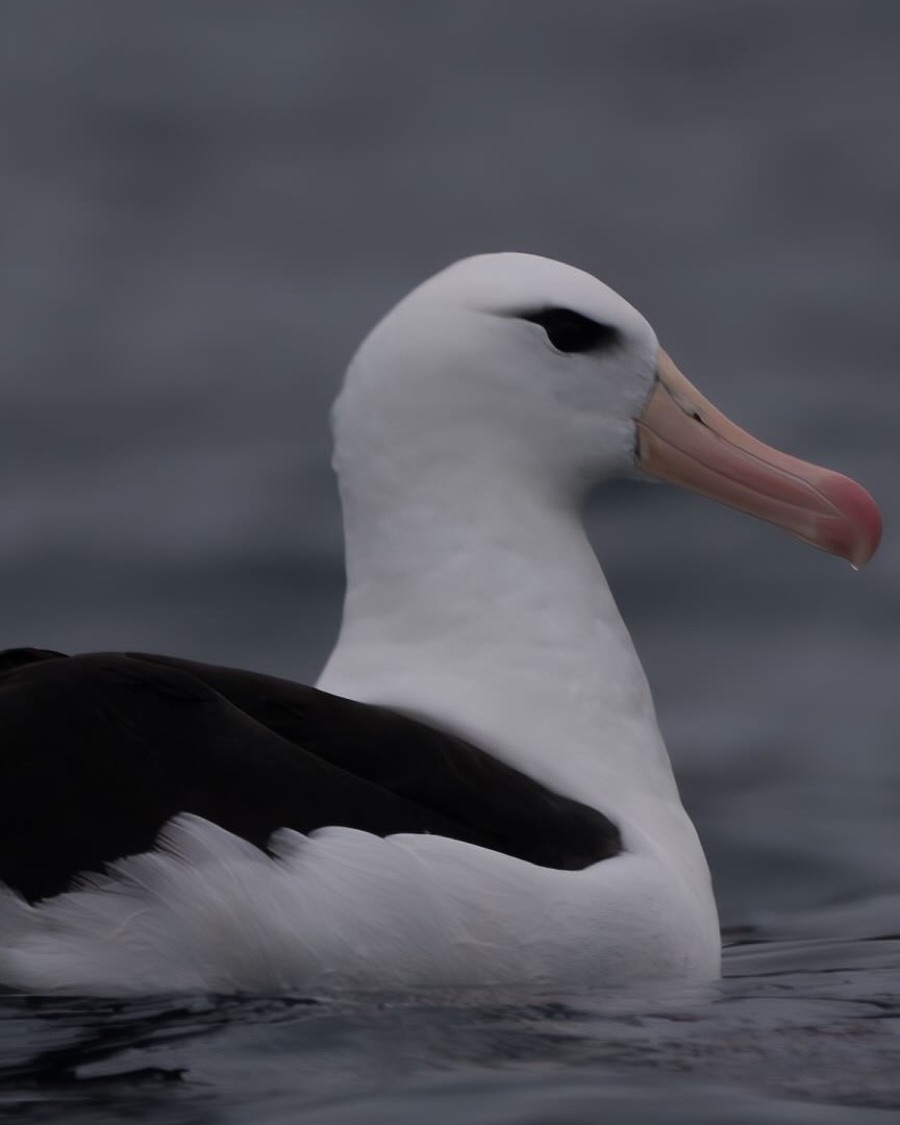
Black-browed albatross
It lives offshore and crosses on the glide, without a wingbeat. The dark patch over the eye is the giveaway.
OCEANIC BIRD · OFFSHORE
 22 · ave-del-tropico
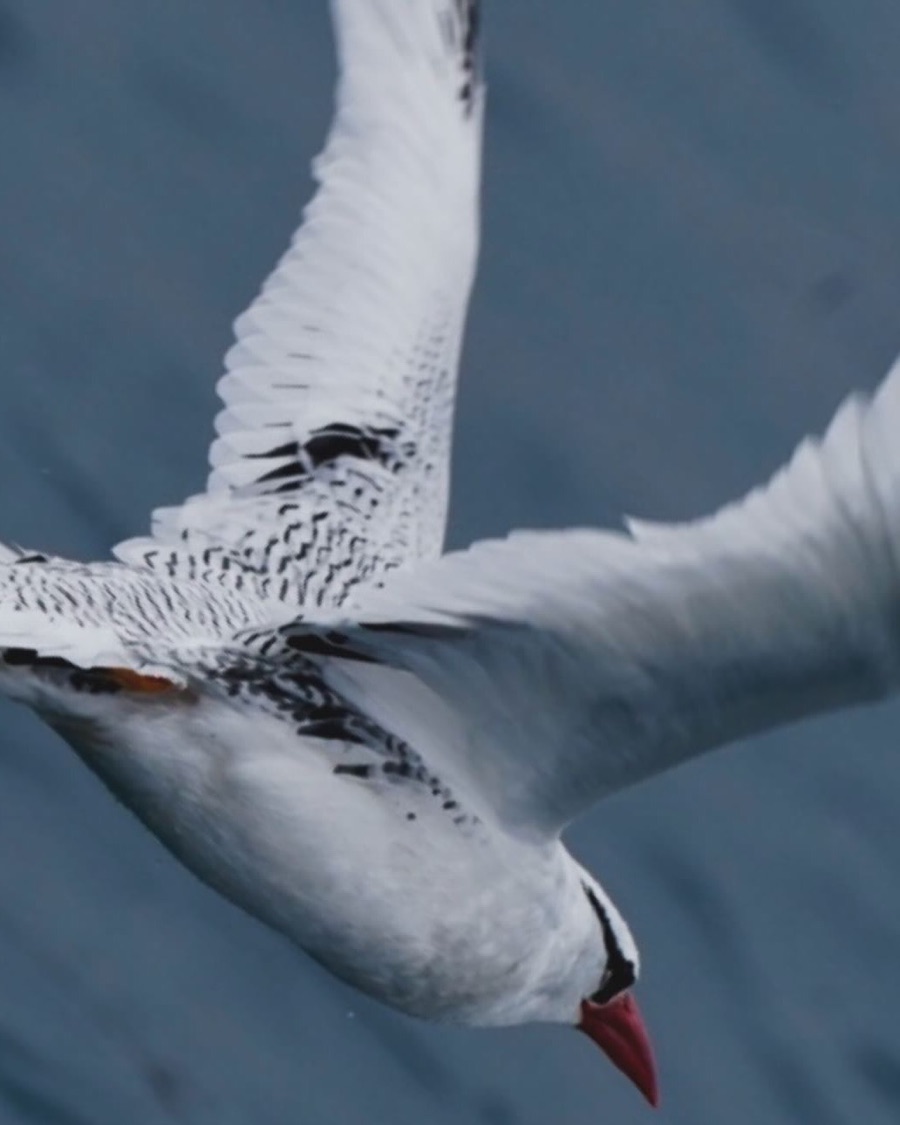
Red-billed tropicbird
The blazing bill and two very long tail streamers. It turns up one at a time, always over blue water.
AT LEAST 14 SEABIRD SPECIES HERE
There are also Peruvian diving petrels, which dive using their wings as if they were flying underwater, and Peruvian boobies, which drop onto the water headfirst: some 18,000 pairs in the archipelago. And gulls, and cormorants.
HUMBOLDT PENGUIN NATIONAL RESERVE · ISLAS CHAÑARAL, CHOROS AND DAMAS · SINCE 1990
WHEN TO COME
There's always somebody out there.
- November to April, whales.
- Between 15 January and 15 February is when you see most of them. And it's when the blue whale arrives.
- The rest of the year, the residents.
If you come in summer, you come for the whales, and you're very likely to see them. If you come in winter, you come for the dolphins, the penguins and the islands, and the sea is calmer. Both are good trips; they are not the same trip.
- Jan
- Feb
- Mar
- Apr
- May
- Jun
- Jul
- Aug
- Sep
- Oct
- Nov
- Dec
Dolphins, penguins, marine otters and sea lions all twelve months
Fin and humpback whales November to April
Blue whale 15 January – 15 February
Greatest recorded diversity December to March
SEASON · NOV–APR, ACCORDING TO TURISMOS ORCA · SCIENTIFIC RECORD DEC–APR
Tell us which month and we'll tell you what's out there: book on WhatsApp
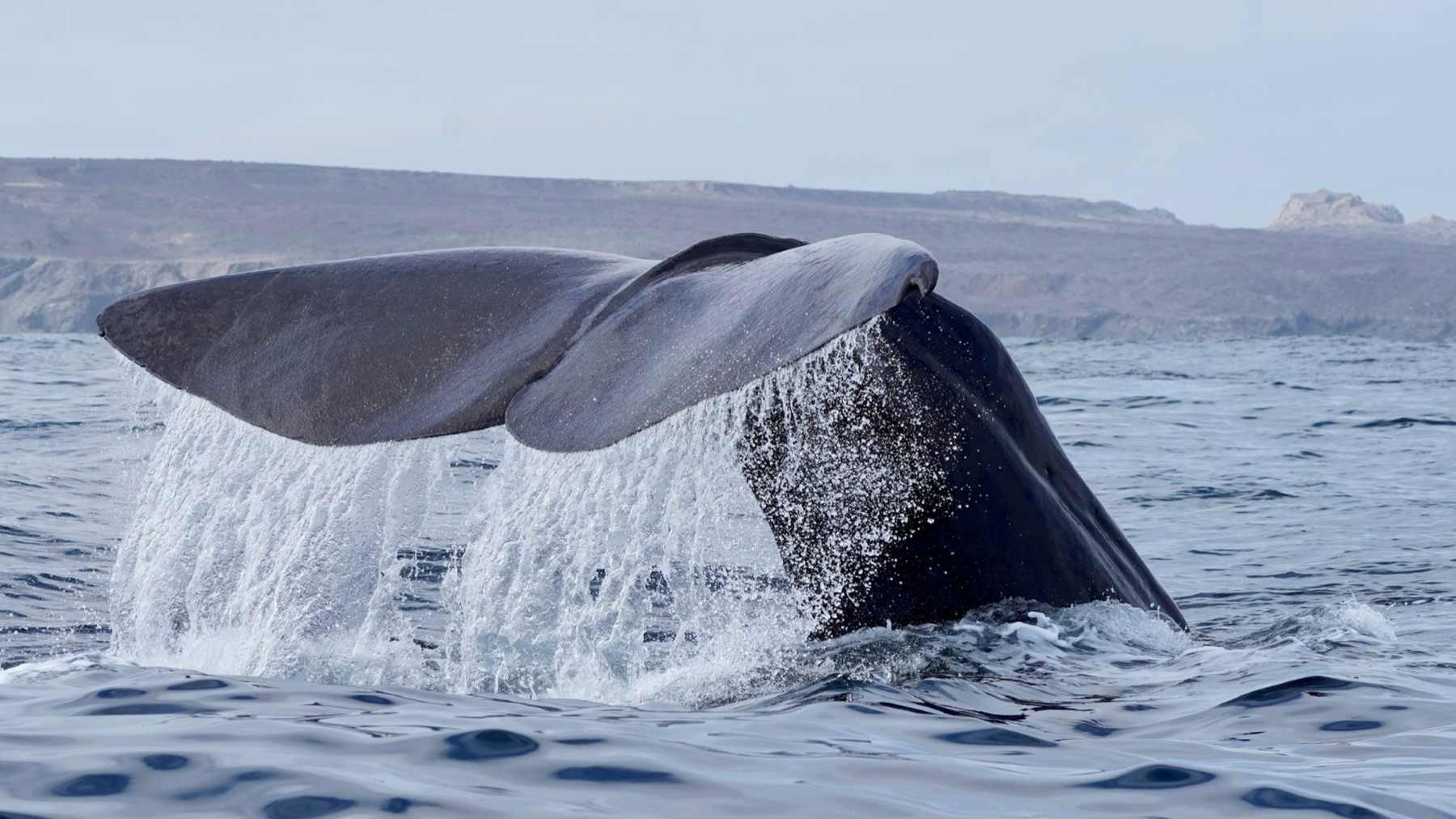 12 · costa-cola
THE FAMILY · SINCE 2012
Fifteen seasons on the same stretch of sea.
- 01Family business · since 2012
- 02Chañaral de Aceituno · Freirina · Atacama
- 033 boats of our own, all Orca
- 04Orca 703 · 24 passengers — Adventure and Travels · 32 each
- 05We also work with other boats from the cove
- 06Current SERNATUR registration · maritime transport
We started in 2012 with one boat. Today we have three, all of them Orca, and when the cove fills up we work with others from here, belonging to other families. We are residents in the same way the dolphins are: this isn't the season, it's home.
Orca is the name of the boat. Whales, dolphins and penguins pass through here; orcas are rare.
“The magic of the ocean gives us wonderful moments, of an incredible beauty and joy.”
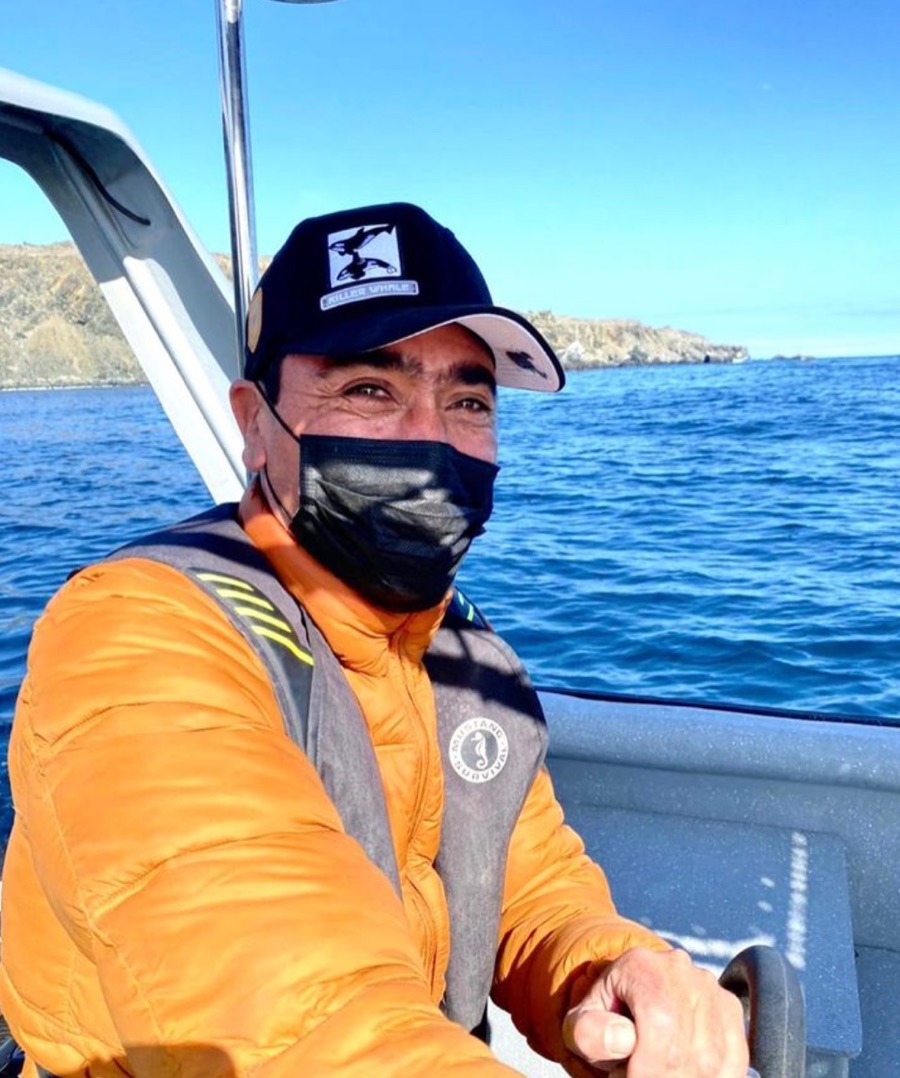
LUIS GONZÁLEZ · SKIPPER
TRANSLATED FROM SPANISH
 20 · lancha-cola
THEY'VE ALREADY BEEN OUT
We didn't write this part.
[PENDING] · RATING AND NUMBER OF REVIEWS
These are public reviews written by people who got on the boat. Each one comes with a name, a date and a link to where it lives.
If it was written in another language, it stays in that language, with the translation underneath.
-
Luis González, "el Lucho", a cargo de Turismo Orca me dice "qué día tuviste, jorobada, muchas fin, una azul, delfines"
Luis González, “el Lucho”, who runs Turismo Orca, tells me: “what a day you got — a humpback, plenty of fins, a blue one, dolphins”Translated from Spanish
FELIPE HOWARD · LADERA SUR · OCTOBER 2021
-
Binoculares en mano, cámaras fotográficas listas, no sabemos a donde apuntar, vemos soplidos a lo lejos en todas las direcciones
Binoculars in hand, cameras ready, we don't know where to point: we can see blows far off in every directionTranslated from Spanish
FELIPE HOWARD · LADERA SUR · OCTOBER 2021
-
Cuando la ballena azul nos muestra su cola es porque su inmersión es más profunda, entonces se produce un silencio, una calma y se genera una expectación
When the blue whale shows us its tail it is because the dive is a deep one; then a silence falls, a stillness, and the waiting beginsTranslated from Spanish
FELIPE HOWARD · LADERA SUR · OCTOBER 2021
-
Juan nos comentó que este año las ballenas habían llegado antes, en octubre
Juan told us that this year the whales had arrived early, in OctoberTranslated from Spanish
ROMINA BEVILACQUA · LADERA SUR · DECEMBER 2018
-
Algo que me gustó de esta agencia es que su lancha es la única que tiene un toldo para protegerse del sol.
One thing I liked about this company is that their boat is the only one with an awning to keep the sun off.Translated from Spanish
CATA CONTRERAS · POR QUÉ ME GUSTA VIAJAR · JANUARY 2022
-
A review from Google or TripAdvisor goes here, written by a visitor from abroad. We don't have it yet, and we don't invent it.
[PENDING]
These are accounts published by travel media and blogs, not platform reviews.
Read them all on Google → [PENDING]
Convinced? book on WhatsApp
BEFORE YOU GET ON
Before you get on.
What if I don't see anything?
It can happen and we're not going to hide it from you: the sea can't be controlled. What we do know is that the dolphins are residents and are here all year, that the penguin colony doesn't move off the island, and that from November to April the whales are here eating, not passing through. Before you sail we tell you how the day is looking.
Am I going to get seasick?
Depends on the day and on you. The trip is short —two hours— and it hugs the coast and the islands. If you get carsick, take a tablet an hour before and sit in the middle of the boat.
[PENDING] — whether they recommend anything in particular.
Can children come?
Yes. The trip is suitable for all ages, and children up to three years old go free.
[PENDING] — whether there are child-size life jackets on board.
Do we land on the island?
No: the Reserve has been a protected area since 1990 and landing is not allowed. The penguins, the sea lions and the whales are watched from the boat, which is where you see them best.
What should I bring?
A windbreaker or a jacket: however hard the sun is hitting, the sea here is cold and there's wind. Sunscreen, a hat and sunglasses. Your camera, with a strap. We bring the water.
What happens if the sea closes in?
We tell you as soon as we know. If the trip is called off because of bad sea conditions, we refund 100% of what you paid.
How much does it cost?
CLP 22,000 per person. It's a single flat fare —the same for everyone— and children up to three years old go free. The price can change if fuel goes up; we confirm it with you the same day.
Still got one? book on WhatsApp
02 · caleta (cierre)
BOOKING
Write to us and we'll tell you how the sea is.
- 01From Vallenar, 49 km south on the Ruta 5, as far as Domeyko.
- 02At Domeyko, west on the Ruta C-500: 78 km of gravel road in good condition, about an hour and forty.
- 03132 km west of Vallenar. You pass Carrizalillo and, five kilometres later, you see the sea.
FROM LA SERENA · [PENDING]
We're in the cove of Chañaral de Aceituno, in the commune of Freirina, Atacama Region. We sail at 09:30, at 12:00 and at 14:30, and we confirm your place the same day.
LAS JAIVAS S/N · CALETA CHAÑARAL DE ACEITUNO · FREIRINA
09:30 · 12:00 · 14:30 · 2 HOURS
What you need to know
CLP 22,000 per person
ONE FLAT FARE · CHILDREN UP TO 3 GO FREE
- PriceThe same fare for everyone. It can change if fuel goes up.
- AgesAll of them. Children up to three years old go free.
- BoatsTurismo Orca 703, 24 passengers. Adventure and Travels, 32 each.
- If the sea closes inTrip called off because of bad sea conditions: we refund 100%.
Prefer Instagram? send us a DM
Or by email: write to us here